


Fire Protection for Your Truckee Home: What Every Homeowner Should Know
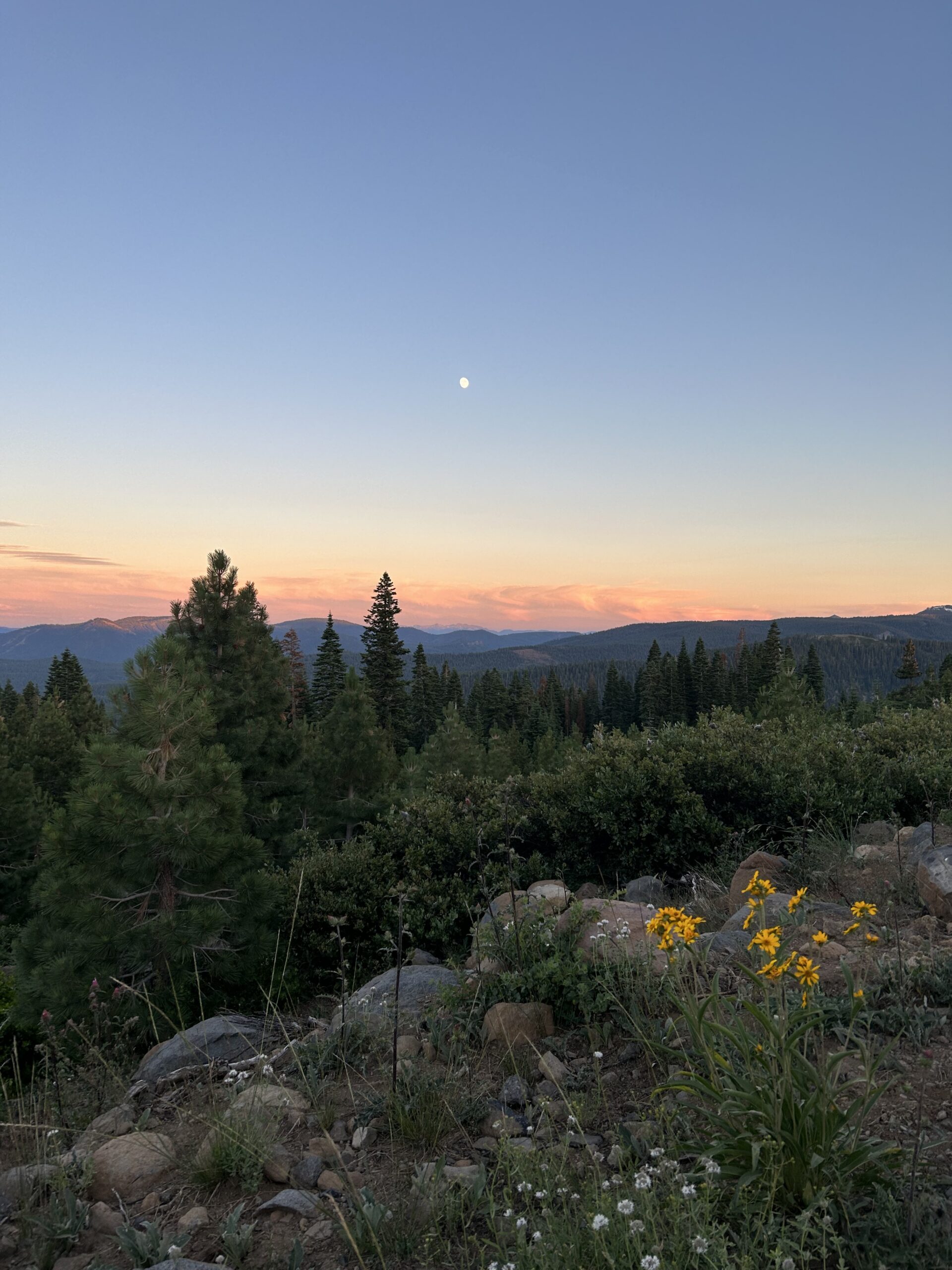
Living in Truckee means enjoying the beauty of the Sierra year-round. From towering pines and open landscapes to warm summer afternoons and snowy winters, the natural surroundings are part of what makes this community so special.
They also mean that homeowners need to take fire preparedness seriously.
Wildfire is a reality of living in the Sierra Nevada, and protecting your home starts long before smoke is on the horizon. From creating defensible space to maintaining your roof and understanding your evacuation plan, a few proactive steps can make a meaningful difference.
Whether your Truckee home is your full-time residence, a vacation property, or an investment, here are some important ways to prepare.
Start With Defensible Space
One of the most important things a homeowner can do is create and maintain defensible space around the property.
Defensible space is the area between your home and the surrounding vegetation where fuels have been managed to help slow the spread of wildfire. In the Truckee area, this can be particularly important because many homes are surrounded by mature trees, brush, and other natural vegetation.
That does not necessarily mean removing everything around your home. Instead, it means thoughtfully maintaining vegetation and creating appropriate spacing between trees, shrubs, structures, and other potential fuels.
Regularly clear away:
- Pine needles and leaves
- Dead or dying vegetation
- Dry branches and brush
- Vegetation growing directly against structures
- Debris beneath decks and stairs
Because conditions and requirements can vary by property, homeowners should check current local and state regulations and work with qualified professionals when planning vegetation removal.
Don’t Overlook Your Roof
Your roof is one of the most important lines of defense against wildfire.
During a wildfire, burning embers can travel significant distances and potentially land on roofs, decks, gutters, and other areas around a home.
Keeping your roof and gutters clear of pine needles, leaves, and other combustible debris is an important part of routine maintenance.
Homeowners should also periodically inspect their roof for damaged areas and understand the materials used on their home.
If you are considering replacing your roof, fire resistance should be part of the conversation. A qualified roofing professional can help you understand which materials and assemblies are appropriate for your home and local requirements.
Pay Attention to Decks and Outdoor Spaces
Decks are a wonderful part of mountain living. They are where we gather for summer dinners, enjoy morning coffee, and take in the surrounding landscape.
They can also collect leaves, pine needles, and other combustible material.
Keep the area underneath decks and stairs clear of debris, and regularly clean the surface itself. Look at nearby vegetation as well and avoid allowing dry plant material to build up around the structure.
If you’re making improvements to your outdoor spaces, consider fire-resistant materials and designs where appropriate.
Keep Trees Healthy and Properly Maintained
Trees are an important part of the Truckee landscape, but their condition and proximity to your home matter.
Dead or dying trees, broken branches, and dense vegetation can increase the amount of combustible material around a property.
Regular tree maintenance can help reduce those hazards while keeping the natural character of your property intact.
Before removing or significantly altering trees, be sure to understand local regulations and any applicable permitting requirements.
For larger properties, an arborist or qualified vegetation-management professional can help identify potential concerns and recommend appropriate maintenance.
Don’t Forget the Inside of Your Home
Fire protection isn’t only about what happens outside.
Make sure your home has working smoke alarms and carbon monoxide detectors, and test them regularly. Replace batteries and follow manufacturer recommendations for replacing the units themselves.
Keep fire extinguishers in accessible locations and make sure everyone in the household knows where they are and how to use them.
It is also worth creating a simple evacuation plan. Everyone in the home should know where to go, what routes to take, and what essential items should be ready to leave with you.
For second-home owners, consider how you would respond if an emergency occurred while you were away.
Prepare for an Evacuation Before You Need One
When a wildfire threatens a community, conditions can change quickly.
Don’t wait until an evacuation order is issued to figure out what you are going to take with you.
Keep important documents, medications, pet supplies, and other essential items organized and easy to access. Make sure your vehicles are fueled and that you understand the evacuation routes serving your neighborhood.
Truckee homeowners should also stay informed about local emergency notifications and evacuation information.
For vacation-home owners, having a trusted local contact who can check on the property can provide additional peace of mind.
Consider Your Home’s Insurance
Fire preparedness should also include reviewing your homeowners insurance.
Mountain properties can have unique insurance considerations, and coverage can change over time. Review your policy periodically and make sure you understand what is covered, what is excluded, and whether your coverage reflects the current value and characteristics of your home.
If you’ve completed major renovations or improvements, let your insurance provider know so your policy can be reviewed accordingly.
Your Realtor can be a helpful resource when you’re evaluating a property, but insurance questions are best addressed directly with a qualified insurance professional.
Fire Protection Can Add Value Beyond Safety
Taking steps to protect your home from wildfire isn’t simply about checking a box on a maintenance list.
Thoughtful fire mitigation can also contribute to the long-term care and value of your property.
If you are considering selling your Truckee home, buyers may want to understand how the property has been maintained and what steps have been taken to address wildfire risk. Documentation of vegetation management, roof improvements, home upgrades, and other preventative work can be useful when preparing a property for the market.
For buyers, understanding a home’s surroundings and maintenance history can be an important part of evaluating whether a property is the right fit.
Know Your Property. Know Your Community.
One of the advantages of working with a local real estate professional is having someone who understands that buying a home in Truckee involves more than the four walls of the house.
The neighborhood, surrounding forest, road access, seasonal conditions, and ongoing maintenance requirements all contribute to the experience of owning a mountain property.
At the Carroll Raber Team, local knowledge is at the heart of helping buyers and sellers navigate the Truckee-Tahoe real estate market.
Whether you’re purchasing your first mountain home, preparing to sell, or simply looking for ways to take better care of the property you already own, understanding fire preparedness is an important part of responsible homeownership in the Sierra.
A Little Preparation Goes a Long Way
Wildfire preparedness can feel overwhelming, but it doesn’t have to happen all at once.
Start with the basics: clear debris from around your home, maintain your vegetation, inspect your roof and gutters, check your smoke alarms, review your insurance, and make sure your household has an evacuation plan.
Then continue building on those efforts over time.
Truckee’s natural beauty is one of the reasons so many people are fortunate enough to call this area home. Taking steps to protect that home helps ensure you can continue enjoying the Sierra for years to come.
ABOUT THE CARROLL RABER REAL ESTATE TEAM
When it comes to finding the perfect property in Truckee – Lake Tahoe, California, the Carroll Raber Real Estate Team, is an ideal choice. With 40+ years of combined experience in the local real estate market, Chris & Ally have an in-depth understanding of the area and the buying & selling processes. They will provide you with valuable advice, guidance and expert negotiation skills during the sale or purchase of your next property.
The Carroll Raber Real Estate Team is committed to providing the highest level of customer service while helping you achieve your real estate goals. Chris & Ally strive to make the process of purchasing or selling as stress-free and enjoyable as possible, with the best possible outcome.
Contact Chris Carroll and Ally Raber today.

Living in Truckee means enjoying the beauty of the Sierra year-round. From towering pines and open landscapes to warm summer afternoons and snowy winters, the natural surroundings are part of what makes this community so special.
They also mean that homeowners need to take fire preparedness seriously.
Wildfire is a reality of living in the Sierra Nevada, and protecting your home starts long before smoke is on the horizon. From creating defensible space to maintaining your roof and understanding your evacuation plan, a few proactive steps can make a meaningful difference.
Whether your Truckee home is your full-time residence, a vacation property, or an investment, here are some important ways to prepare.
Start With Defensible Space
One of the most important things a homeowner can do is create and maintain defensible space around the property.
Defensible space is the area between your home and the surrounding vegetation where fuels have been managed to help slow the spread of wildfire. In the Truckee area, this can be particularly important because many homes are surrounded by mature trees, brush, and other natural vegetation.
That does not necessarily mean removing everything around your home. Instead, it means thoughtfully maintaining vegetation and creating appropriate spacing between trees, shrubs, structures, and other potential fuels.
Regularly clear away:
- Pine needles and leaves
- Dead or dying vegetation
- Dry branches and brush
- Vegetation growing directly against structures
- Debris beneath decks and stairs
Because conditions and requirements can vary by property, homeowners should check current local and state regulations and work with qualified professionals when planning vegetation removal.
Don’t Overlook Your Roof
Your roof is one of the most important lines of defense against wildfire.
During a wildfire, burning embers can travel significant distances and potentially land on roofs, decks, gutters, and other areas around a home.
Keeping your roof and gutters clear of pine needles, leaves, and other combustible debris is an important part of routine maintenance.
Homeowners should also periodically inspect their roof for damaged areas and understand the materials used on their home.
If you are considering replacing your roof, fire resistance should be part of the conversation. A qualified roofing professional can help you understand which materials and assemblies are appropriate for your home and local requirements.
Pay Attention to Decks and Outdoor Spaces
Decks are a wonderful part of mountain living. They are where we gather for summer dinners, enjoy morning coffee, and take in the surrounding landscape.
They can also collect leaves, pine needles, and other combustible material.
Keep the area underneath decks and stairs clear of debris, and regularly clean the surface itself. Look at nearby vegetation as well and avoid allowing dry plant material to build up around the structure.
If you’re making improvements to your outdoor spaces, consider fire-resistant materials and designs where appropriate.
Keep Trees Healthy and Properly Maintained
Trees are an important part of the Truckee landscape, but their condition and proximity to your home matter.
Dead or dying trees, broken branches, and dense vegetation can increase the amount of combustible material around a property.
Regular tree maintenance can help reduce those hazards while keeping the natural character of your property intact.
Before removing or significantly altering trees, be sure to understand local regulations and any applicable permitting requirements.
For larger properties, an arborist or qualified vegetation-management professional can help identify potential concerns and recommend appropriate maintenance.
Don’t Forget the Inside of Your Home
Fire protection isn’t only about what happens outside.
Make sure your home has working smoke alarms and carbon monoxide detectors, and test them regularly. Replace batteries and follow manufacturer recommendations for replacing the units themselves.
Keep fire extinguishers in accessible locations and make sure everyone in the household knows where they are and how to use them.
It is also worth creating a simple evacuation plan. Everyone in the home should know where to go, what routes to take, and what essential items should be ready to leave with you.
For second-home owners, consider how you would respond if an emergency occurred while you were away.
Prepare for an Evacuation Before You Need One
When a wildfire threatens a community, conditions can change quickly.
Don’t wait until an evacuation order is issued to figure out what you are going to take with you.
Keep important documents, medications, pet supplies, and other essential items organized and easy to access. Make sure your vehicles are fueled and that you understand the evacuation routes serving your neighborhood.
Truckee homeowners should also stay informed about local emergency notifications and evacuation information.
For vacation-home owners, having a trusted local contact who can check on the property can provide additional peace of mind.
Consider Your Home’s Insurance
Fire preparedness should also include reviewing your homeowners insurance.
Mountain properties can have unique insurance considerations, and coverage can change over time. Review your policy periodically and make sure you understand what is covered, what is excluded, and whether your coverage reflects the current value and characteristics of your home.
If you’ve completed major renovations or improvements, let your insurance provider know so your policy can be reviewed accordingly.
Your Realtor can be a helpful resource when you’re evaluating a property, but insurance questions are best addressed directly with a qualified insurance professional.
Fire Protection Can Add Value Beyond Safety
Taking steps to protect your home from wildfire isn’t simply about checking a box on a maintenance list.
Thoughtful fire mitigation can also contribute to the long-term care and value of your property.
If you are considering selling your Truckee home, buyers may want to understand how the property has been maintained and what steps have been taken to address wildfire risk. Documentation of vegetation management, roof improvements, home upgrades, and other preventative work can be useful when preparing a property for the market.
For buyers, understanding a home’s surroundings and maintenance history can be an important part of evaluating whether a property is the right fit.
Know Your Property. Know Your Community.
One of the advantages of working with a local real estate professional is having someone who understands that buying a home in Truckee involves more than the four walls of the house.
The neighborhood, surrounding forest, road access, seasonal conditions, and ongoing maintenance requirements all contribute to the experience of owning a mountain property.
At the Carroll Raber Team, local knowledge is at the heart of helping buyers and sellers navigate the Truckee-Tahoe real estate market.
Whether you’re purchasing your first mountain home, preparing to sell, or simply looking for ways to take better care of the property you already own, understanding fire preparedness is an important part of responsible homeownership in the Sierra.
A Little Preparation Goes a Long Way
Wildfire preparedness can feel overwhelming, but it doesn’t have to happen all at once.
Start with the basics: clear debris from around your home, maintain your vegetation, inspect your roof and gutters, check your smoke alarms, review your insurance, and make sure your household has an evacuation plan.
Then continue building on those efforts over time.
Truckee’s natural beauty is one of the reasons so many people are fortunate enough to call this area home. Taking steps to protect that home helps ensure you can continue enjoying the Sierra for years to come.
ABOUT THE CARROLL RABER REAL ESTATE TEAM
When it comes to finding the perfect property in Truckee – Lake Tahoe, California, the Carroll Raber Real Estate Team, is an ideal choice. With 40+ years of combined experience in the local real estate market, Chris & Ally have an in-depth understanding of the area and the buying & selling processes. They will provide you with valuable advice, guidance and expert negotiation skills during the sale or purchase of your next property.
The Carroll Raber Real Estate Team is committed to providing the highest level of customer service while helping you achieve your real estate goals. Chris & Ally strive to make the process of purchasing or selling as stress-free and enjoyable as possible, with the best possible outcome.
Contact Chris Carroll and Ally Raber today.